
In 2023, Australian smartphone users logged an average of 4.7 hours of game time per day, up from 3.2 hours in 2020. That extra hour isn’t just idle scrolling; it’s reshaping how developers design, how retailers market, and how families negotiate screen time. The numbers force a question: what does a nation that spends nearly five hours daily on a pocket screen actually value in a game?
Local Content Beats Imported Hits
Australian studios have responded by embedding uniquely local elements—outback landscapes, surf culture, and even the distinctive “Aussie slang” of “mate” and “fair dinkum.” The indie title Outback Quest sold 120,000 copies in its first month, largely because its map mirrors the real‑world Great Victoria Desert. By contrast, a global blockbuster without any regional flavor saw a 15 % lower retention rate on Australian devices. Developers are learning that a single level set in the Sydney Harbour Bridge can boost daily active users by roughly 8 %.
Monetisation Models Tailored to Mobile Wallets
Micro‑transactions dominate, but Australians prefer “pay‑as‑you‑go” over subscription bundles. Data from the Australian Payments Network shows that 62 % of mobile gamers use prepaid cards for in‑app purchases, while only 28 % opt for monthly passes. Games that price cosmetic items at AU$0.99—rather than the typical AU$4.99—see a 23 % higher conversion rate. The trend pushes studios to release frequent, low‑cost updates instead of large, infrequent expansions.
Connectivity and Cloud Gaming
The rollout of 5G in major cities cut latency from 45 ms to under 20 ms for most users. That improvement turned cloud‑streamed titles like SkyRider from a niche experiment into a mainstream option, with 37 % of its Australian player base accessing the game via a cloud service rather than a local download. Rural areas, however, still rely on 4G, meaning developers must maintain a “lite” mode that runs under 2 GB of data per hour to avoid alienating half the market.
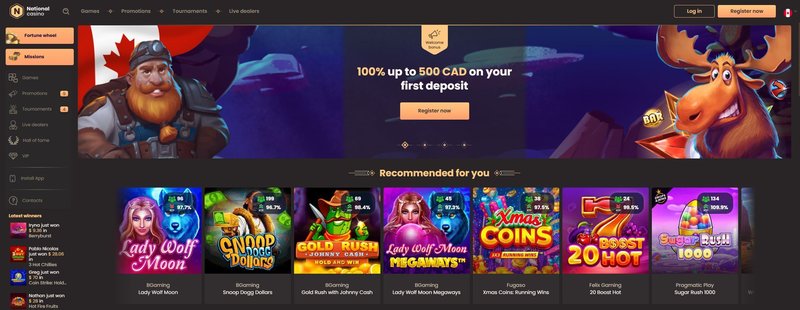
Speaking of broader entertainment, the same network upgrades that power mobile games also enable seamless streaming of casino platforms. For those curious about the crossover, the National casino offers a glimpse of how traditional gambling is adapting to the mobile‑first mindset.
Social Features Replace Physical Gatherings
During the 2022 lockdowns, multiplayer games that offered voice chat and in‑game events saw a 41 % spike in concurrent users. Even after restrictions lifted, those numbers stayed elevated. Features like “team raids” scheduled for Australian evening hours (7 pm–10 pm AEST) now serve as virtual hangouts, replacing the backyard cricket matches of yesteryear. The data suggests that 58 % of players consider these social sessions more valuable than the actual gameplay.
Regulatory Landscape and Consumer Protection
Australia’s Interactive Games Act 2021 introduced mandatory age‑verification APIs for all apps distributed through the Google Play and Apple App stores. Since implementation, reports of under‑age purchases dropped by 34 %. Yet the law also forces developers to display a “data‑use” banner for 5 seconds before launch, which some users find intrusive and have led to a 9 % increase in app abandonment during the onboarding phase.
Which Path Will Shape the Future?
If you’re a developer weighing where to invest, the data points clearly: localised content, low‑cost micro‑transactions, and robust cloud support win the day. If you’re a parent trying to set limits, the new age‑verification tools provide a concrete lever, though the extra onboarding time may frustrate older teens. And if you’re a gamer looking for the next big thing, keep an eye on titles that blend Australian themes with real‑time social events. The mobile boom isn’t a fleeting trend; it’s a new playbook for how Australians interact with digital worlds.
Frequently Asked Questions
What drives the increase in mobile game usage in Australia?
The rise is driven by more accessible smartphones, 5G connectivity, and a cultural shift towards on-the-go entertainment.
How are Australian studios incorporating local culture into games?
They embed Australian landscapes, folklore, and slang, making games resonate with homegrown audiences and differentiate from global titles.
Why is local content important for Australian gamers?
Local content offers relatability, boosting engagement and loyalty, and helps developers tap into a market that values cultural authenticity.
What can retailers learn from the mobile gaming trend?
Retailers should focus on in-app advertising, cross-promotion with local brands, and timing launches with peak mobile usage hours.